
Zuhause / Nachrichten / Branchennachrichten / Wie interagieren der Stator und der Rotorkern des Wasserpumpenmotors mit Kühlsystemen wie flüssigkeits- oder luftgekühlten Gehäusen, um bei intensivem Betrieb ein optimales Temperaturgleichgewicht aufrechtzuerhalten?
Wie interagieren der Stator und der Rotorkern des Wasserpumpenmotors mit Kühlsystemen wie flüssigkeits- oder luftgekühlten Gehäusen, um bei intensivem Betrieb ein optimales Temperaturgleichgewicht aufrechtzuerhalten?
-
Wärmeübertragungseffizienz und Wärmeableitungsdynamik :
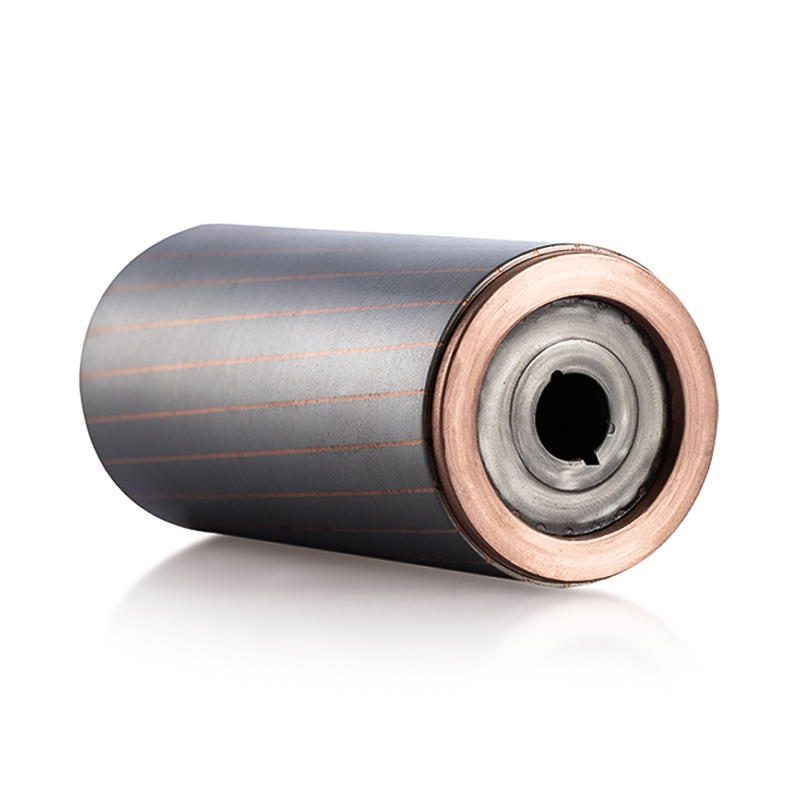
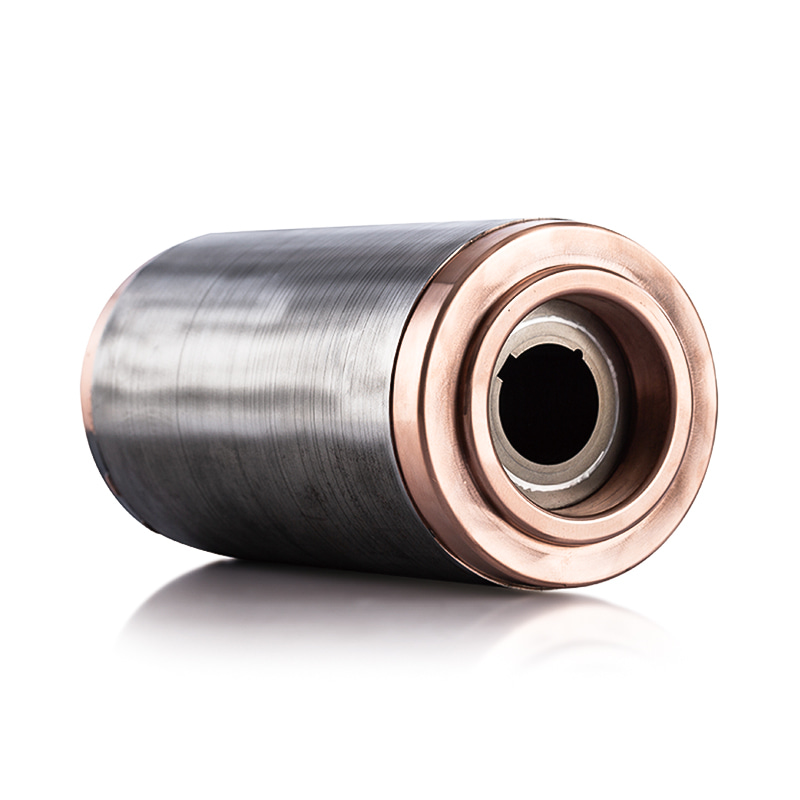
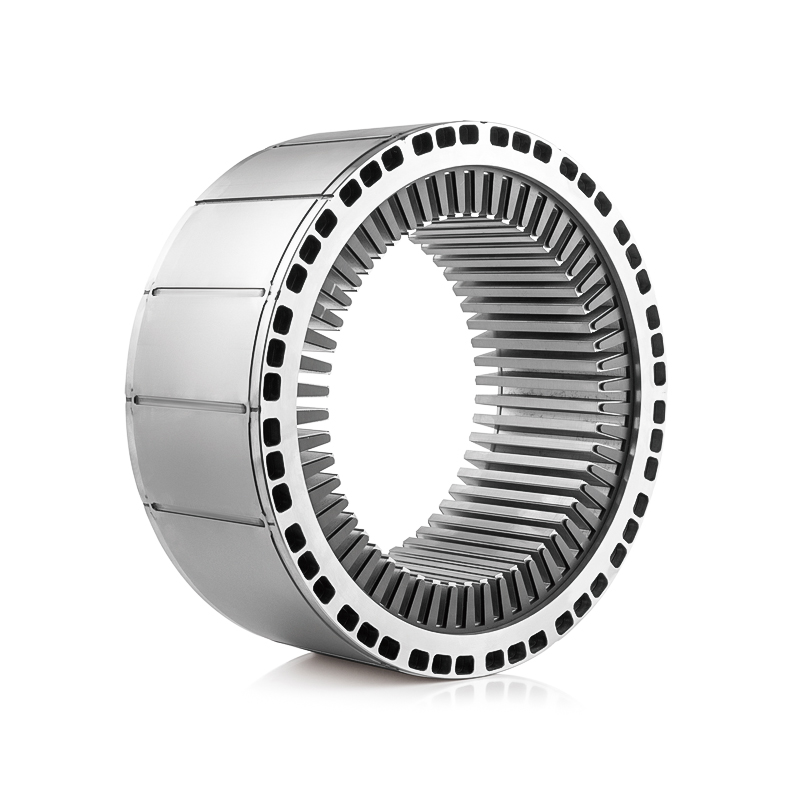
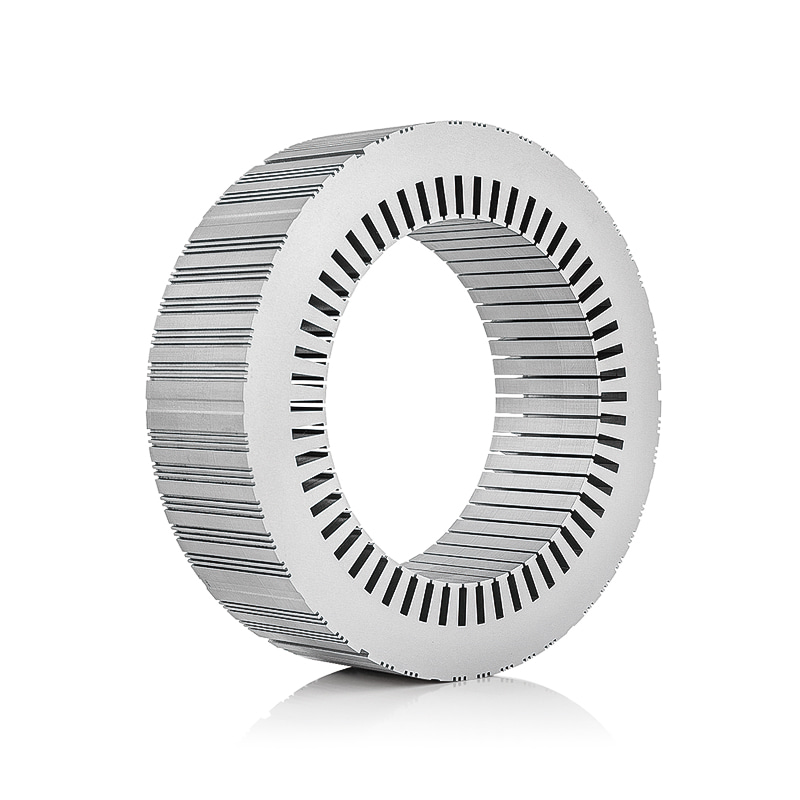
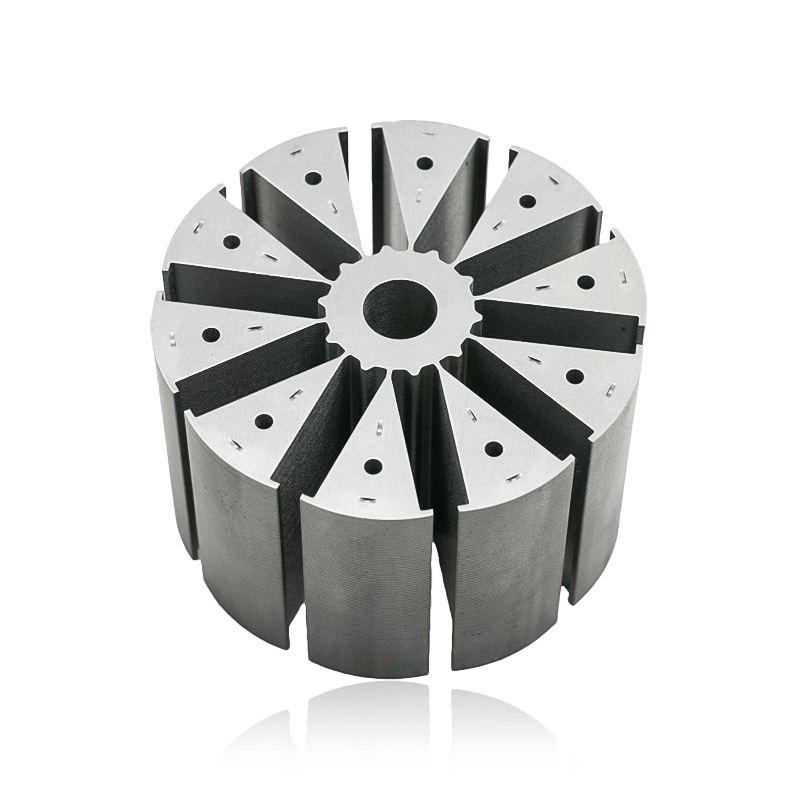
Die Stator und Rotorkern des Wasserpumpenmotors sind ständig der Hitze ausgesetzt, die bei der Magnetfeldanregung und dem Stromfluss entsteht. Eine effiziente Wärmeableitung ist wichtig, um eine Entmagnetisierung oder eine Verschlechterung der Isolierung zu verhindern. Die Kerne bestehen aus hochwertigem laminiertem Siliziumstahl mit hervorragender Wärmeleitfähigkeit und gewährleisten eine schnelle Wärmeübertragung vom Magnetkreis weg. In Kombination mit einem flüssigkeitsgekühlten Gehäuse fließt das Kühlmittel durch integrierte Kanäle, die direkt mit Hochtemperaturzonen in Kontakt kommen und so eine gleichmäßige Wärmeverteilung fördern. In luftgekühlten Systemen trägt die Einbeziehung optimierter Belüftungswege und wärmeableitender Rippen dazu bei, den Luftstrom um die Stator- und Rotorbaugruppe herum zu maximieren. Das Ergebnis ist ein kontrollierter Temperaturgradient, der thermische Hotspots verhindert und die gleichmäßige magnetische Leistung des Motors bewahrt. -
Design und Engineering von Kühlpfaden :
Die layout of the cooling system determines how effectively the Water Pump Motor Stator and Rotor Core can maintain stable operating temperatures. In liquid-cooled designs, internal cooling jackets or spiral channels are positioned close to the stator windings and rotor shaft to ensure efficient convection and minimize heat accumulation. Advanced computational fluid dynamics (CFD) modeling is often employed to simulate flow velocity, turbulence, and temperature gradients within these channels. For air-cooled configurations, engineered fan systems or forced ventilation ducts are designed to direct air evenly across the stator slots and rotor periphery, reducing localized heating and maintaining consistent motor torque. The overall goal of both designs is to preserve the electromagnetic balance and reduce mechanical strain caused by temperature variations. -
Materialkompatibilität und Wärmeausdehnungskoordination :
Die interaction between the Water Pump Motor Stator and Rotor Core and the cooling system materials must account for differences in thermal expansion. The motor components, including laminations, copper windings, and insulation layers, expand at varying rates under heat. Improper management of these differences can lead to mechanical stress, misalignment, or even cracking. Engineers use precise material selection and dimensional tolerances to ensure that all parts expand uniformly under operational temperatures. Thermal interface materials (TIMs) and specialized adhesives with high thermal conductivity but low expansion coefficients are used between the stator core and cooling surfaces to facilitate consistent contact and reduce vibration-related heat buildup. This balance prevents mechanical deformation and ensures the rotor’s concentric alignment with the stator bore remains intact throughout operation. -
Erhaltung der elektromagnetischen und magnetischen Flussstabilität :
Die magnetic efficiency of the Water Pump Motor Stator and Rotor Core is directly affected by temperature. As temperature increases, magnetic permeability may decrease, resulting in reduced flux density and lower torque output. An effective cooling system stabilizes these thermal conditions, allowing magnetic domains to maintain consistent alignment. This stability translates to uniform torque generation, reduced electrical losses, and minimal rotor imbalance. Modern insulation coatings on stator laminations help reduce eddy current losses by maintaining electrical isolation even under elevated temperatures, further supporting electromagnetic efficiency. -
Integration mit fortschrittlichen thermischen Überwachungs- und Steuerungssystemen :
Um die Zuverlässigkeit des Stators und des Rotorkerns des Wasserpumpenmotors zu verbessern, integrieren moderne Motorsysteme Wärmesensoren und Steuerelektronik in die Statorwicklungen und das Gehäuse. Diese Sensoren überwachen ständig die Temperatur an mehreren Punkten und speisen die Daten in einen Echtzeit-Steuerungsalgorithmus ein. Wenn übermäßige Hitze erkannt wird, passt das System die Kühlintensität automatisch an, indem es die Kühlmitteldurchflussrate oder die Lüftergeschwindigkeit erhöht, um das thermische Gleichgewicht wiederherzustellen. In Hochleistungsanwendungen können prädiktive Temperaturkontrollalgorithmen potenzielle Überhitzungstrends basierend auf den Lastbedingungen vorhersagen und die Kühlung proaktiv anpassen. Diese intelligente Rückkopplungsschleife gewährleistet eine konstante Leistung ohne Energieverschwendung oder unnötigen mechanischen Verschleiß.
Vorheriger Artikel
Wie wirkt sich die Geometrie der Zähne und Schlitze im Stator und Rotorkern des Generatormotors auf die Magnetflussverteilung und die Drehmomentabgabe aus?
nächster Artikel
Welchen Einfluss haben der Stator und der Rotorkern des Schienenverkehrsmotors auf die Reduzierung von Lärm und Vibrationen in Schienenverkehrsmotorsystemen?
Verwandte Nachrichten
-
Was sind Statoder- und Rotorkerne ? Statorkerne A Statorkern ist das stationär Bestandteil eines Elektromotors. In diesem Teil befinden sich die Kupferwicklungen, die, we...
See Details -
Einführung Das moderne Automobil ist eine komplexe Maschine, und seine Entwicklung wurde durch kontinuierliche Innovation in jeder Komponente vorangetrieben. Während Verbrennungsmotoren die Bran...
See Details -
 Leitfaden zur Auswahl von Rotoren und Statorkernen für Automobil-Elektromotoren: Aluminium vs. Stahl
Die Bedeutung der Materialauswahl für Rotoder- und Statoderkerne in Elektrofahrzeugmotoderen Bei der Konstruktion von Motoren für Elektrofahrzeuge (EV) ist die Materialauswahl ein entscheidender...
See Details -
Einführung von Statoder- und Rotorkernen für Automobilmotoren Die zunehmende Beliebtheit von Elektrofahrzeugen und Hybridfahrzeugen hat zu erheblichen Fortschritten in der Automobiltechnolo...
See Details